Introduction
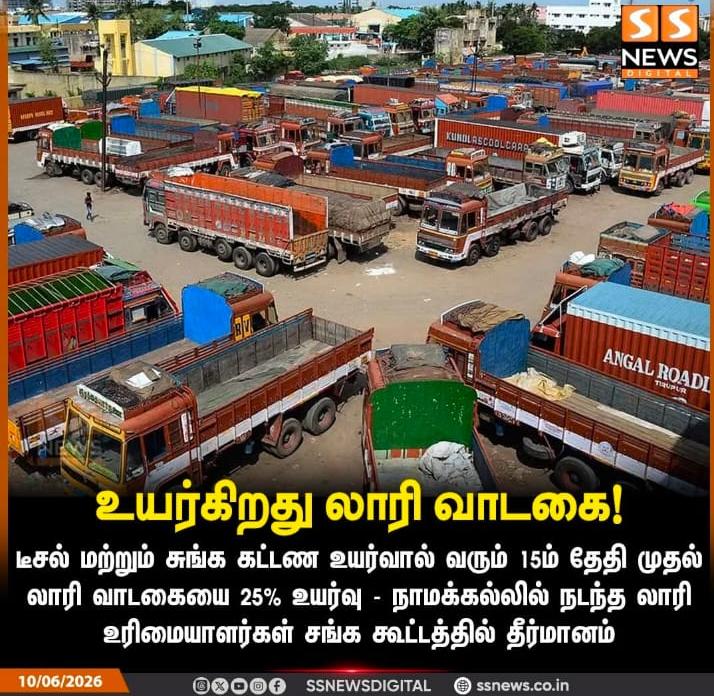
The Tamil Nadu transportation industry is currently facing a major challenge as a growing truck driver shortage has resulted in nearly 15% of lorries remaining idle. Industry reports indicate that lorry freight rates have increased by approximately 25%, affecting manufacturers, traders, retailers, and logistics providers across the state.
The increase in freight charges is expected to impact supply chains throughout Tamil Nadu, Chennai, and other major industrial hubs in India.
Why Are Lorry Freight Rates Increasing?
Several factors have contributed to the recent increase in truck transportation costs:
- Shortage of experienced truck drivers
- Reduced vehicle availability
- Rising fuel prices
- Increased maintenance expenses
- Higher toll and compliance costs
- Growing freight demand
As a result, transport operators have been forced to revise pricing to maintain operational sustainability.
Impact on Businesses and Supply Chains
The rise in freight charges is expected to affect multiple industries including:
Manufacturing Industry
Manufacturers may face increased logistics expenses and higher transportation costs for raw materials and finished goods.
FMCG Sector
Fast-moving consumer goods companies depend heavily on road transportation and may experience increased distribution costs.
Construction Industry
Transportation of cement, steel, and construction materials may become more expensive.
Agricultural Supply Chain
Farmers and agricultural traders may see higher transportation expenses when moving produce to markets.
Driver Shortage Remains a Major Concern
According to transport industry associations, the shortage of qualified truck drivers continues to be one of the biggest challenges facing India’s logistics sector.
Key reasons include:
- Aging driver workforce
- Lack of new driver recruitment
- Long working hours
- Rising cost of living
- Limited availability of skilled drivers
Without immediate intervention, the shortage could continue to impact freight availability and transportation costs.
How Technology Can Help the Logistics Industry
Digital logistics platforms are helping businesses overcome transportation challenges through:
Real-Time Vehicle Tracking
Businesses can monitor shipments throughout the journey.
Online Truck Booking
Customers can instantly find available vehicles based on load requirements.
Faster Vehicle Allocation
Technology reduces manual coordination and improves vehicle utilization.
Improved Supply Chain Visibility
Digital systems provide better control over transportation operations.
Platforms such as Droptruck help businesses connect with verified transporters and optimize freight movement across India.
What This Means for Tamil Nadu Businesses
Businesses should prepare for:
✔ Higher freight charges
✔ Longer vehicle allocation times
✔ Increased logistics planning requirements
✔ Greater dependence on technology-enabled transportation platforms
Companies that adopt digital logistics solutions can better manage transportation costs and maintain delivery commitments.
Conclusion
The recent 25% increase in lorry freight rates in Tamil Nadu highlights the growing impact of the truck driver shortage on India’s transportation industry.
As logistics costs continue to rise, businesses must focus on efficient transportation planning, digital freight management, and reliable truck booking solutions to remain competitive.
Frequently Asked Questions
Lorry freight rates have increased due to a shortage of truck drivers, reduced vehicle availability, and rising operational costs.
Industry reports indicate an increase of approximately 25%.
How many lorries are currently idle?
Transport associations report that around 15% of lorries are currently idle because of driver shortages.
How does the driver shortage affect businesses?
Driver shortages reduce vehicle availability, increase transportation costs, and may cause shipment delays.
How can businesses reduce transportation costs?
Businesses can use online truck booking platforms, optimize routes, and improve logistics planning.